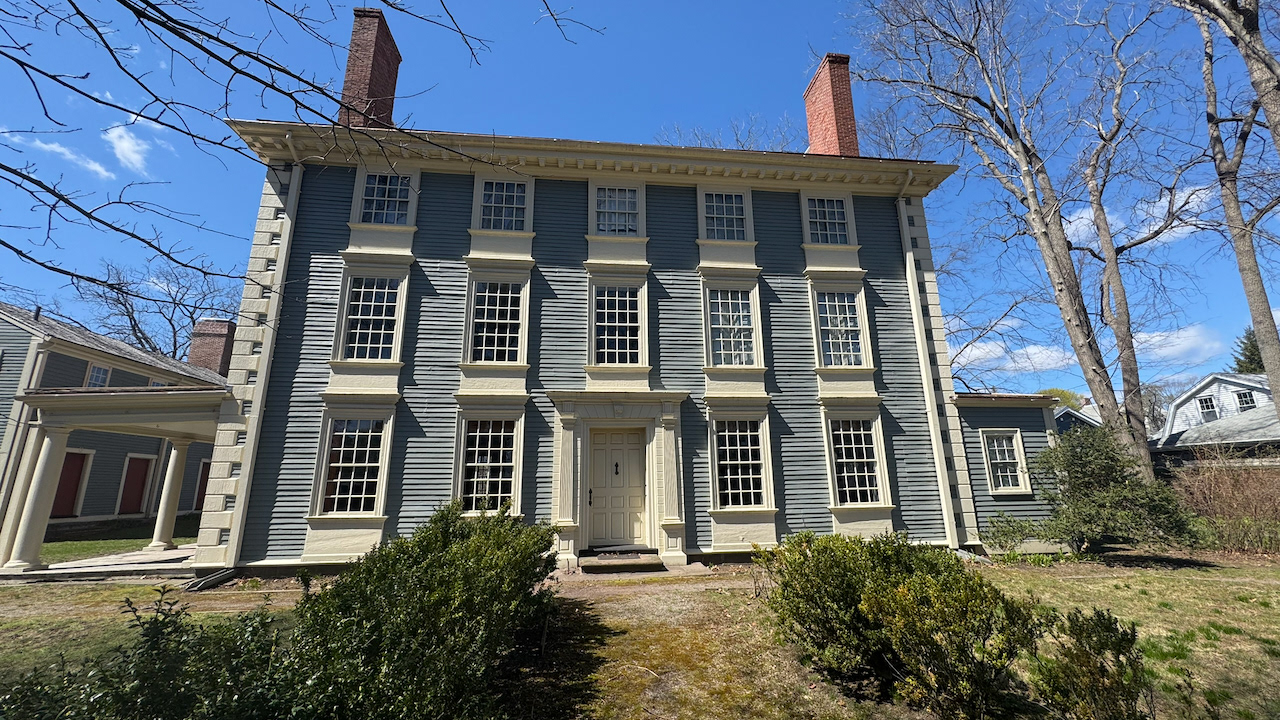
Mark, Phillis, Phebe: A Murder Told in Three Parts, 2026 · moving-image installation in development
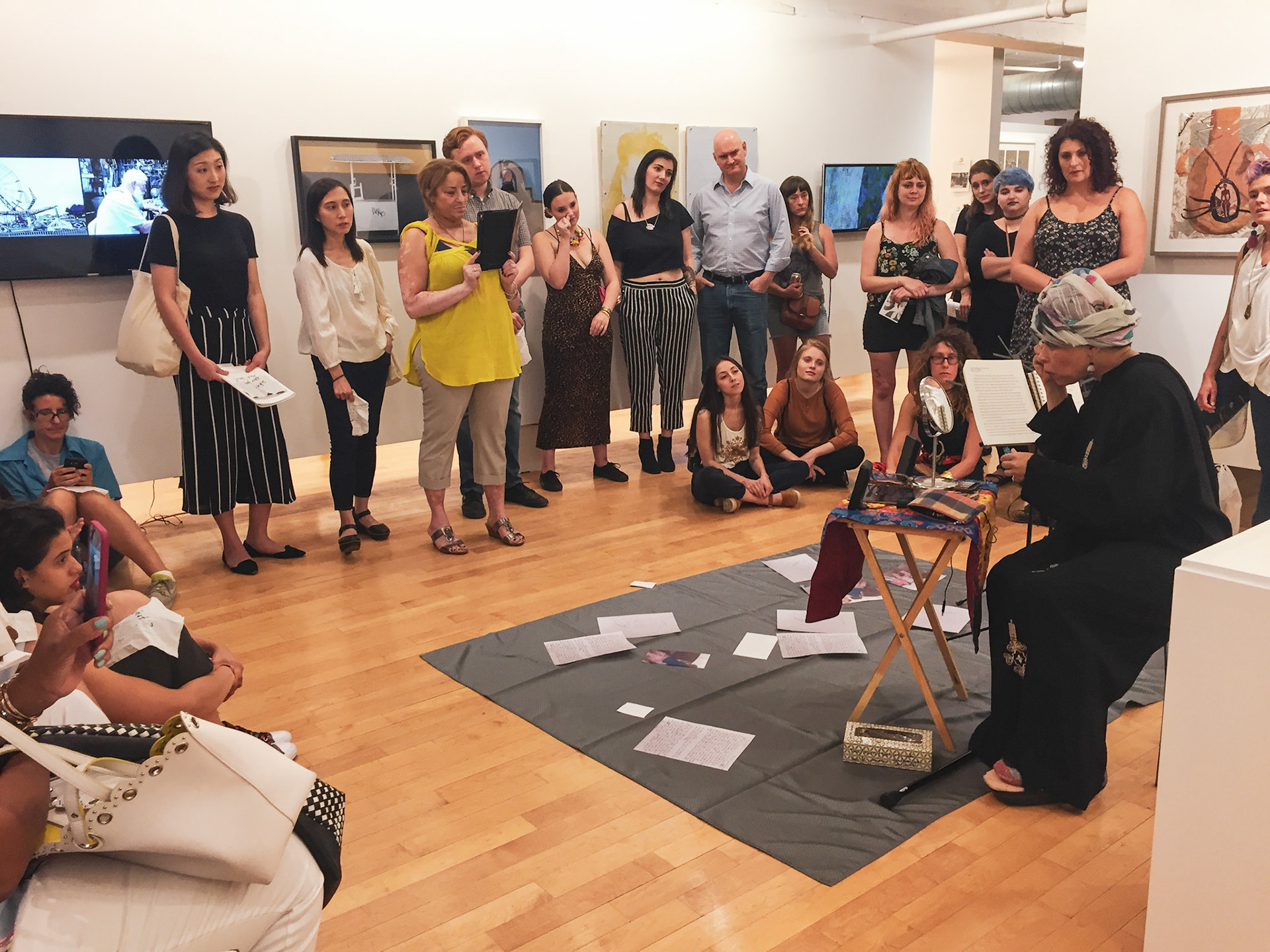
My Muslim Daughter, 2017 · video installation and live performance
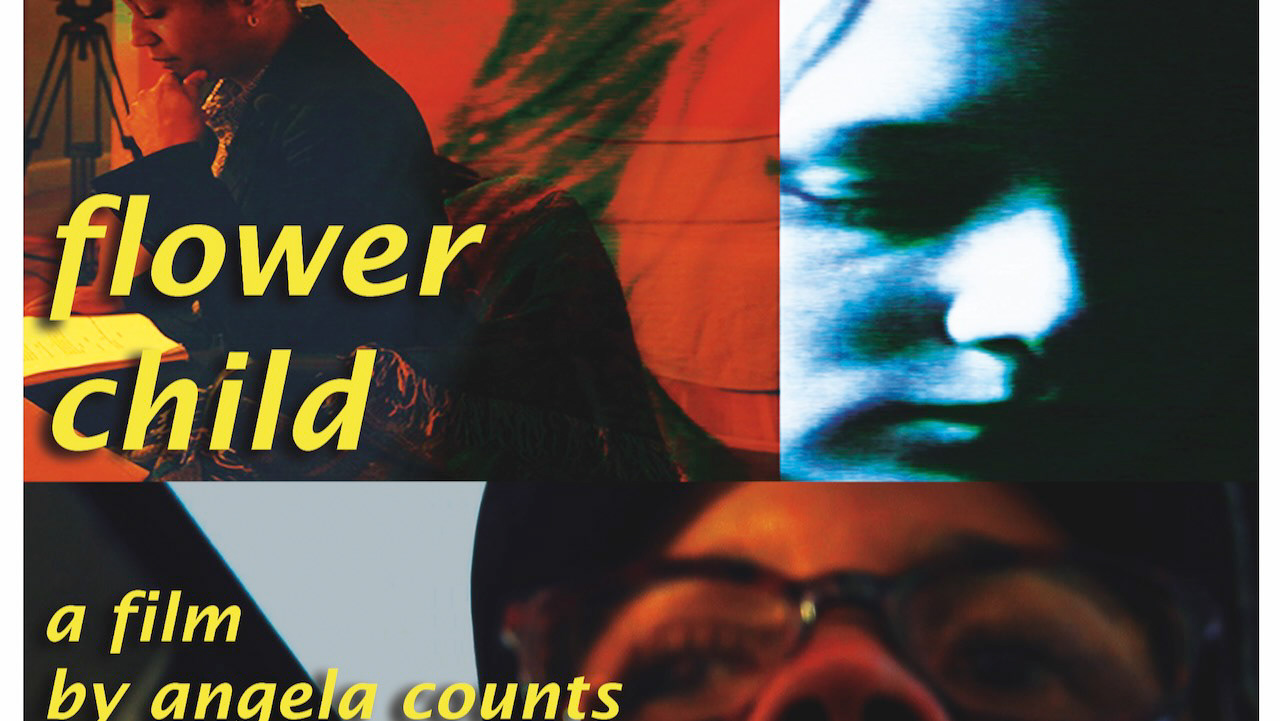
Flower Child, 2014 · documentary / personal essay film
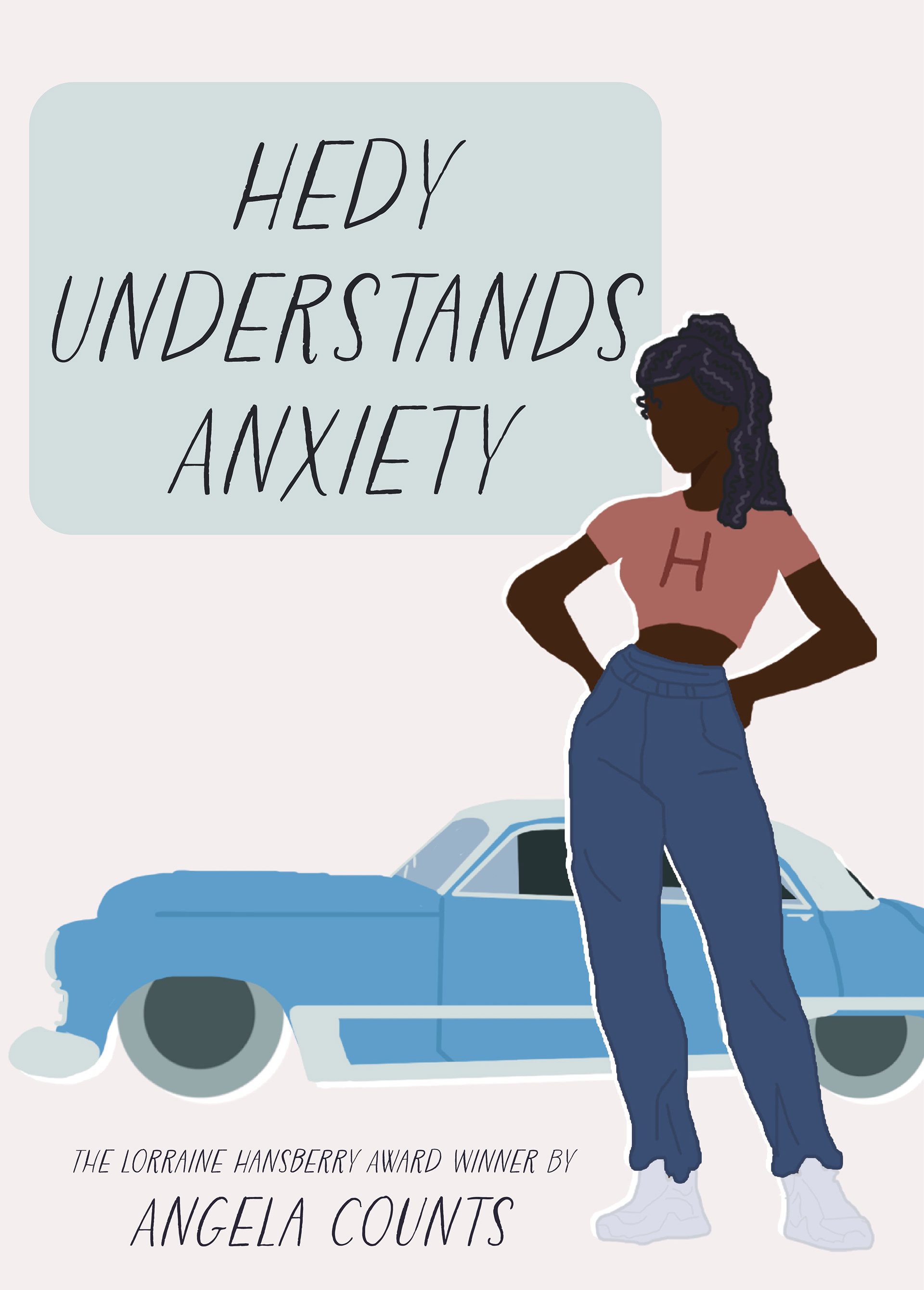
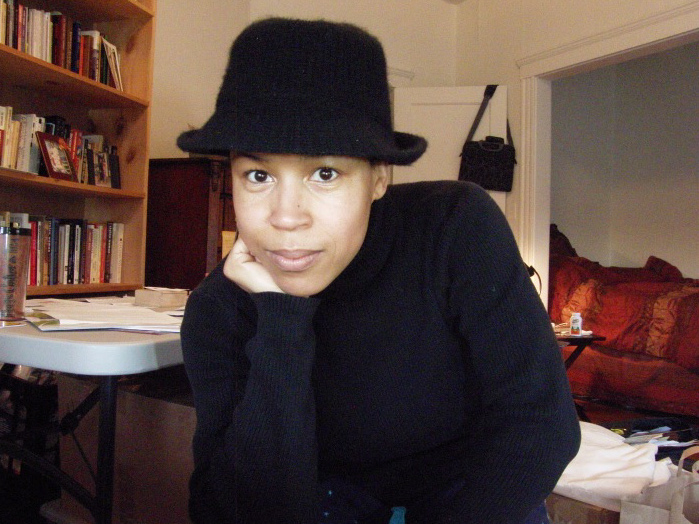
Angela Counts is a writer and filmmaker working across documentary, experimental cinema, theater, and visual arts. Drawing on personal experience and historical research, she examines how the past shapes families and communities in the present through archives, storytelling, imagination, and ongoing inquiry. Her plays have been produced and presented at venues across the United States, including New York Theatre Workshop, La MaMa Experimental Theatre Club, Jubilee Theatre, and Theater for the New City. She received the Kennedy Center’s Lorraine Hansberry Playwriting Award for "Hedy Understands Anxiety." Her plays are published by Dramatic Publishing Company, and she is is included in the *Historical Dictionary of African American Theater* (Anthony D. Hill, 2018). Her practice has been shaped by artists Isaac Julien and John Akomfrah, writers Toni Morrison and James Baldwin, playwrights Adrienne Kennedy, Tony Kushner, and Lorraine Hansberry, as well as broader movements in art, culture, and social justice. Her films and moving-image works have screened and been exhibited in a range of venues. She co-produced the feature film "Americas," directed by Cristina Kotz Cornejo. Her MFA thesis documentary, "Flower Child," which she produced and directed, screened at the Museum of Fine Arts, Boston. Her choice of medium often begins with a question, with the form emerging from what best serves the investigation. "Flower Child" marked the beginning of her work in personal essay film and documentary. Her current project, the video installation "Mark, Phillis, and Phebe: A Murder in Three Parts," examines a 1755 murder case in which three enslaved people poisoned their enslaver, Captain John Codman, in an attempt to escape harsh conditions and protect their family bonds. She is developing the project with Dell M. Hamilton, who invited Counts to join in 2024 during its first year of development under a Boston Triennial commission. The installation brings together historical research, visual storytelling, actor rehearsals, and an original screenplay in development.